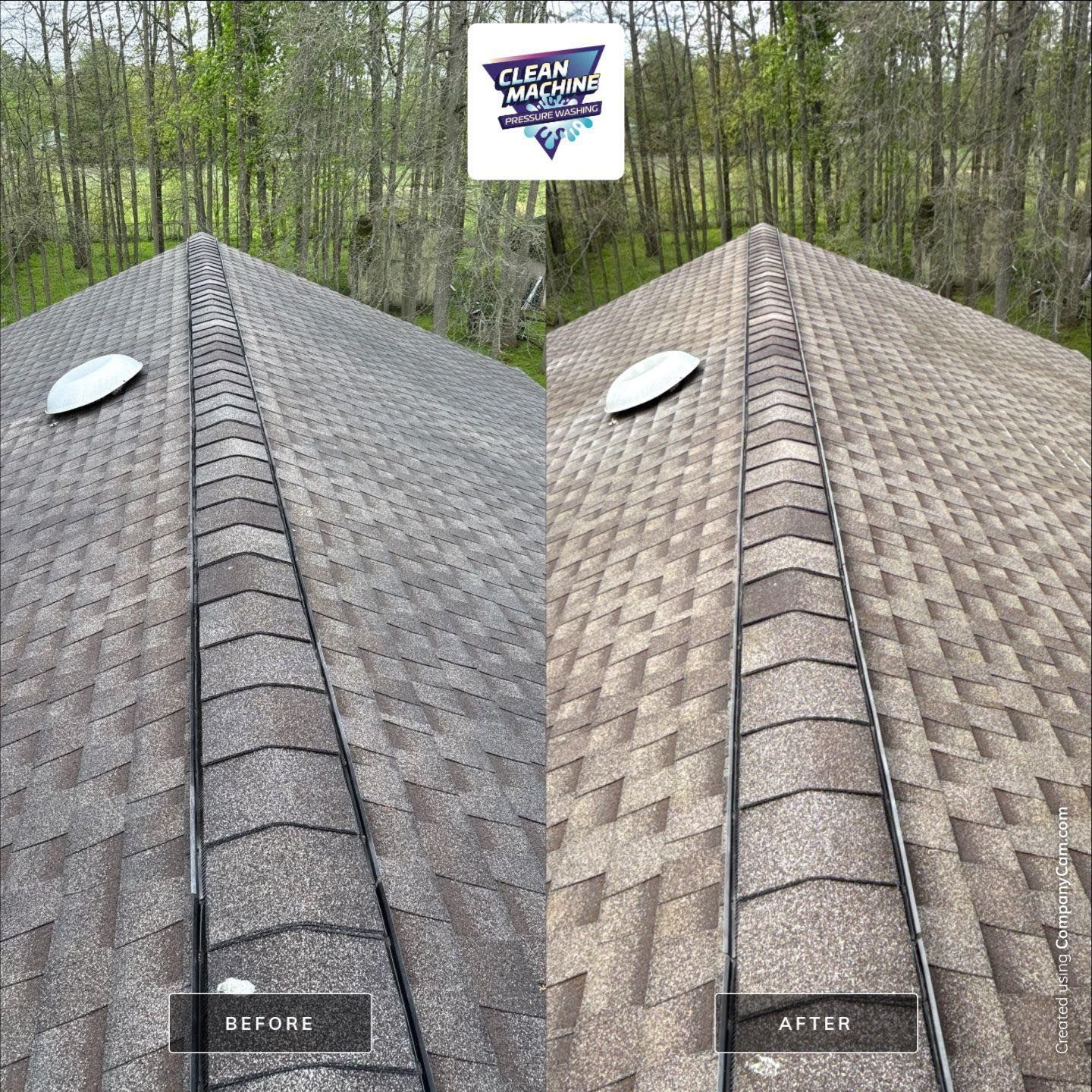
Early fall is a practical time to look at the condition of a driveway in Northeast Ohio. Summer dirt, tire marks, algae, leaf staining, mud, and general grime can remain on concrete as the weather turns colder. Pressure washing before winter can improve appearance and remove buildup before snow, slush, and road salt add another season of residue.
What Can Driveway Cleaning Remove Before Winter?
Professional concrete cleaning can remove loose dirt, grime, organic growth, leaf residue, surface staining, and other buildup that accumulates through spring and summer. Oil, rust, paint, and deeply absorbed discoloration may require specialized treatment and may not disappear completely.
Why Is Fall a Convenient Time for Concrete Cleaning?
Fall offers a natural maintenance window after the heaviest summer use and before snow cover makes the surface difficult to access. Cleaning also gives homeowners a clearer look at cracks, spalling, or other concrete concerns that may need separate repair.
How Late in the Season Can a Driveway Be Pressure Washed?
The best time is before freezing conditions become routine. The surface needs suitable weather for cleaning, rinsing, and drying, and water should not be left where it can freeze on the driveway, adjacent walkways, or landscaping.
Is Cleaning the Same Thing as Concrete Sealing?
Cleaning and sealing are separate services. Cleaning removes buildup from the surface. Sealing applies a protective product to properly prepared concrete after it has dried and when temperature and moisture conditions meet the product requirements.
What Does Professional Driveway Cleaning Involve?
Clean Machine Pressure Washing provides residential pressure washing for driveways, sidewalks, patios, and other exterior surfaces throughout Northeast Ohio. The practical sequence is to clean while weather is suitable, inspect the concrete afterward, and then decide whether repairs or sealing should be handled separately.
How to Keep a Driveway Cleaner After Washing
Once a driveway has been professionally cleaned, a few simple habits can help it stay presentable longer. Sweep leaves, soil, mulch, and grass clippings before they sit wet on the surface for long periods. Address vehicle leaks promptly, and avoid allowing oil or other fluids to soak into the concrete when they can be cleaned up early.
Drainage also matters. Downspouts that discharge across the driveway, low spots that hold water, and landscaping that constantly washes soil onto the slab can make the concrete look dirty again faster. Correcting those conditions will not eliminate every stain, but it can reduce how quickly buildup returns.
If sealing is part of the maintenance plan, cleaning is normally the preparation step rather than the final step. The concrete should be inspected after washing, allowed to dry properly, and then evaluated for repairs or sealing based on its condition and the product requirements.
Frequently Asked Questions
Will pressure washing remove oil stains from a driveway?
It can improve many surface stains, but oil can penetrate deeply into concrete. Degreasers or specialized treatment may help, and some older stains may remain visible. The age of the stain, the type of oil, concrete porosity, previous sealers, and how long the contamination has been present all affect the result. A realistic goal may be substantial improvement rather than complete disappearance of every deep stain.
Should I seal my driveway immediately after pressure washing?
Not necessarily. Concrete must be properly prepared and sufficiently dry, and the sealer must be applied within its required temperature and moisture conditions. The surface may also need repairs or additional stain treatment before sealing. Rushing from washing directly into coating can trap moisture or create adhesion and appearance problems depending on the product.
Can I pressure wash a driveway after the first frost?
It may be possible during a suitable warm weather window, but freezing conditions increase risk. Water should not be left to freeze on the driveway or nearby walking surfaces. Check the full-day and overnight forecast, not just the afternoon high, and consider whether shaded sections and runoff areas will have enough time to dry safely.