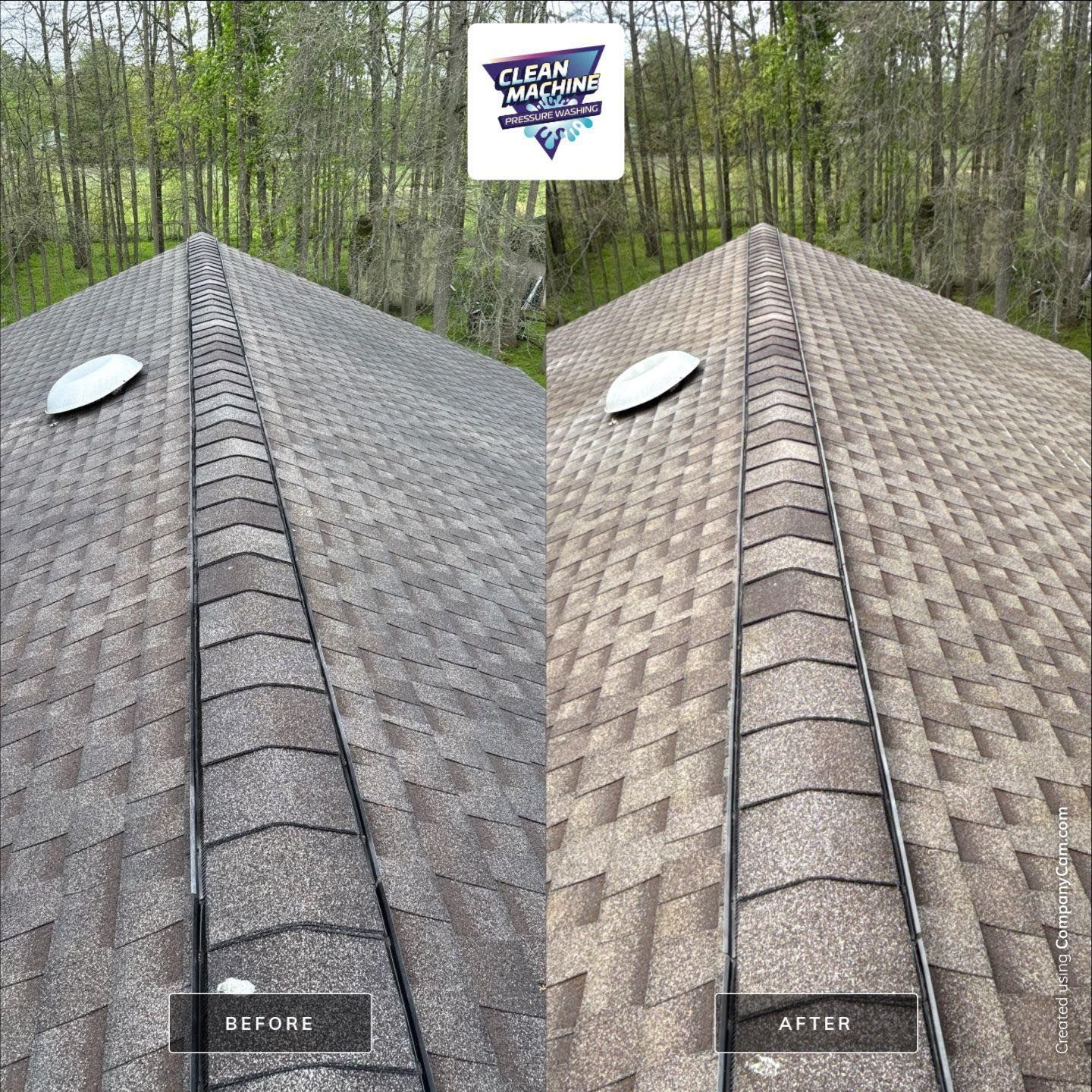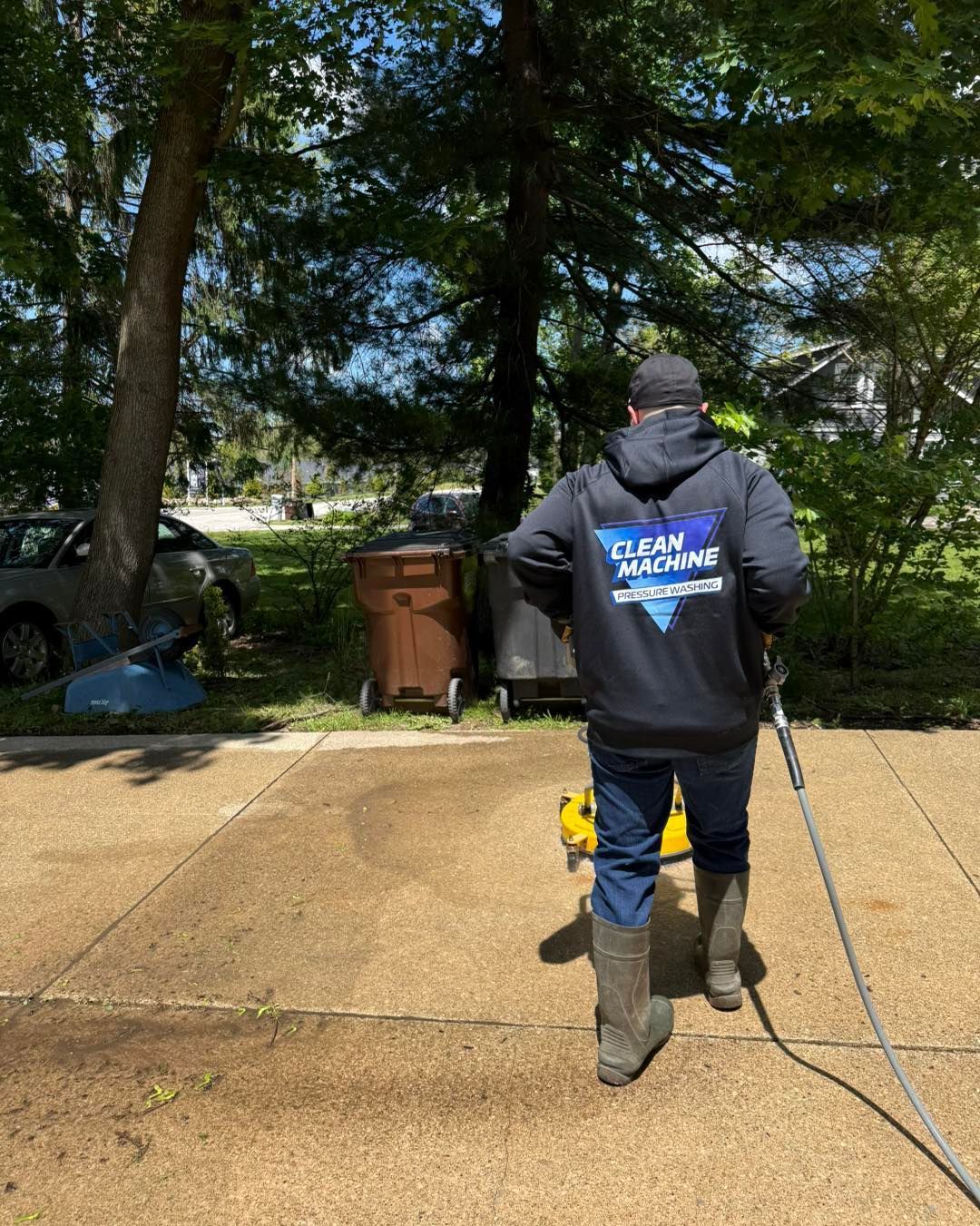
Sealing concrete before winter can be a useful maintenance step when the surface is in good condition and the weather is suitable. A sealer can help reduce how readily water and surface contaminants enter the concrete, but the result depends heavily on preparation. The driveway or patio needs to be cleaned, existing coatings and problem areas must be evaluated, and the concrete needs adequate time to dry before a compatible product is applied.
What Does Concrete Sealer Actually Do?
Concrete sealers are designed to change how the surface interacts with water, stains, and contaminants. Different products work in different ways, so the right choice depends on the concrete, previous coatings, desired appearance, and exposure.
Sealer is not a repair product. Cracks, scaling, drainage problems, or deteriorated concrete may need separate attention.
Why Does Cleaning Matter Before Sealing?
A sealer should not simply be applied over dirt, algae, leaf residue, oil, or other buildup. Proper surface cleaning helps remove contaminants that can interfere with appearance and adhesion.
Driveway cleaning and other residential pressure washing services can be part of the preparation process, but the surface must then dry according to the sealer requirements.
How Late in Fall Can Concrete Be Sealed?
The practical deadline is determined by the product instructions and the weather forecast, not a single calendar date. Air and surface temperature, moisture, rain, dew, shade, and curing time all matter. If conditions are marginal, waiting for a better window is usually the smarter choice.
Does Every Driveway Need Sealing Before Winter?
No. Some concrete has been sealed recently, some may have incompatible existing coatings, and some may need repair before any new product is applied. The age and condition of the concrete should be evaluated first.
What Is a Good Fall Concrete Maintenance Plan?
Start by cleaning the surface while the weather is still favorable. Once it is dry, inspect for cracks, spalling, drainage issues, and old coatings. If sealing is appropriate, choose a compatible product and a weather window that allows the full preparation and curing process before freezing conditions return.
How to Decide Whether Concrete Sealing Makes Sense for Your Property
Concrete sealing makes the most sense when the surface is in suitable condition, the existing coatings are understood, and the property owner has a clear reason for applying a sealer. That reason might be easier cleanup, a different appearance, reduced water absorption, or protection from certain contaminants depending on the product selected.
It is not automatically the right choice for every slab. Concrete with active spalling, major cracking, drainage problems, trapped moisture, incompatible old coatings, or other deterioration may need repair or additional preparation first. Applying a new product over an unsuitable surface can create disappointing results.
A practical approach is to clean the concrete, let it dry, inspect it carefully, and then decide whether sealing is appropriate. If a sealer is used, the product instructions for temperature, moisture, preparation, coverage, and cure time should drive the schedule—not the desire to finish the project before a particular date.
Frequently Asked Questions
Does sealing stop concrete from cracking?
No. Sealer is not a structural repair and cannot guarantee that concrete will not crack. Proper drainage, installation, repair, and maintenance all affect concrete performance. A sealer may help change how the surface interacts with water or contaminants depending on the product, but it cannot correct movement, poor base preparation, freeze-thaw damage, or an existing structural problem.
Can concrete be sealed right after pressure washing?
The concrete needs to dry according to the product requirements before sealing. Moisture trapped in the surface can interfere with some sealers. Shade, humidity, temperature, slab thickness, and recent rain can all affect drying time, so the calendar alone should not determine when the next step begins.
Can new concrete be sealed immediately?
New concrete should be allowed to cure according to the installer and sealer manufacturer requirements before a coating or sealer is applied. Applying a product too early can interfere with the curing process or produce poor results. The correct waiting period depends on the concrete, weather, and the specific product being considered.