Soft washing and pressure washing both clean exterior surfaces, but they do the job in different ways. The main difference is how much cleaning depends on water pressure versus cleaning solution and dwell time. For Northeast Ohio homeowners, that distinction matters because vinyl siding, painted trim, roofs, concrete, decks, and fences do not all respond well to the same approach. Choosing the right method is less about which one is stronger and more about which one is appropriate for the material and the type of buildup.
What Is Pressure Washing?
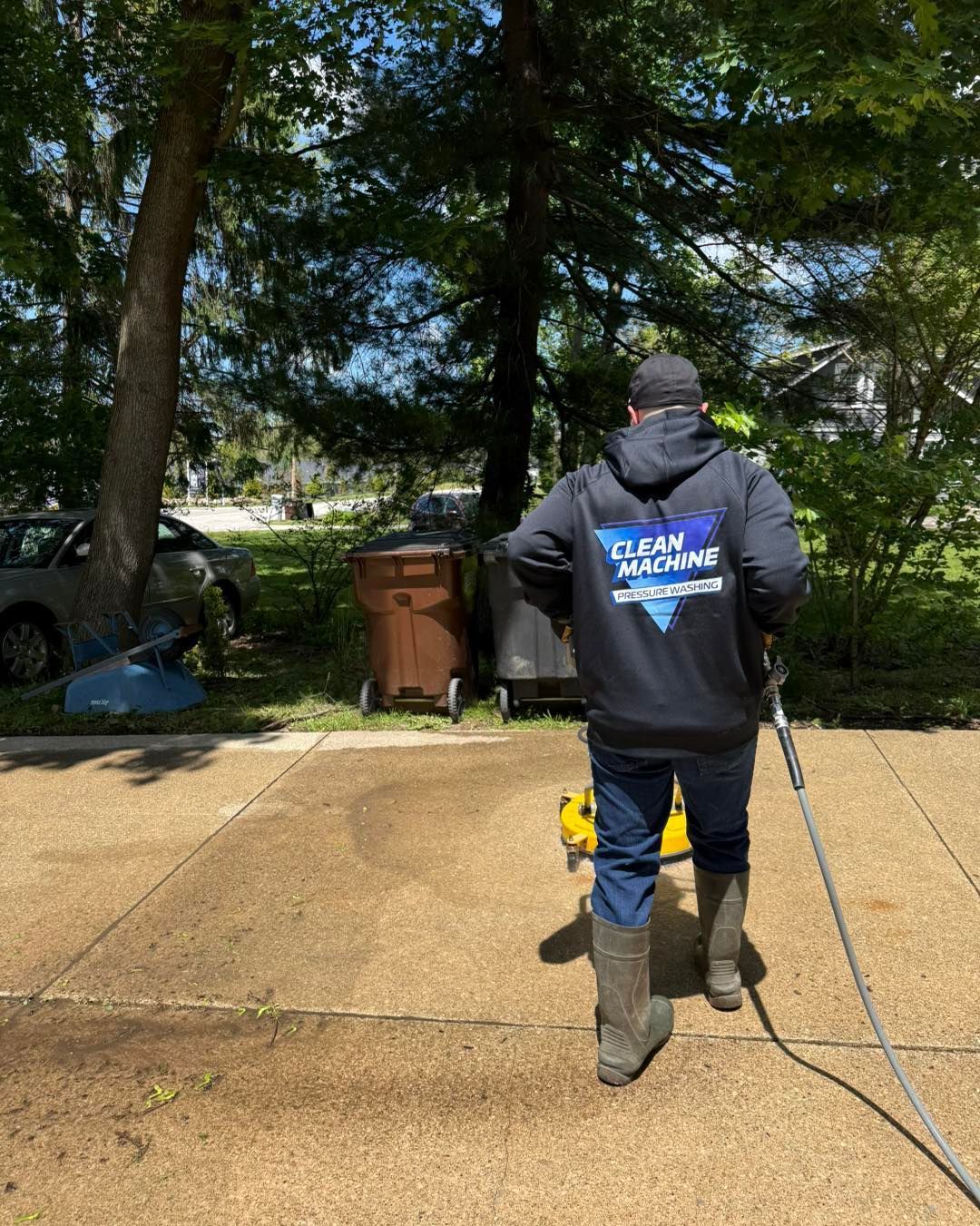
Pressure washing uses pressurized water to remove dirt, grime, loose buildup, and staining from durable exterior surfaces. Concrete driveways, sidewalks, some masonry, and other hard materials can often tolerate more cleaning pressure when they are in good condition.
The amount of pressure still needs to be matched to the surface. Even concrete can be damaged by poor technique, and older or deteriorated materials may require a gentler approach.
What Is Soft Washing?
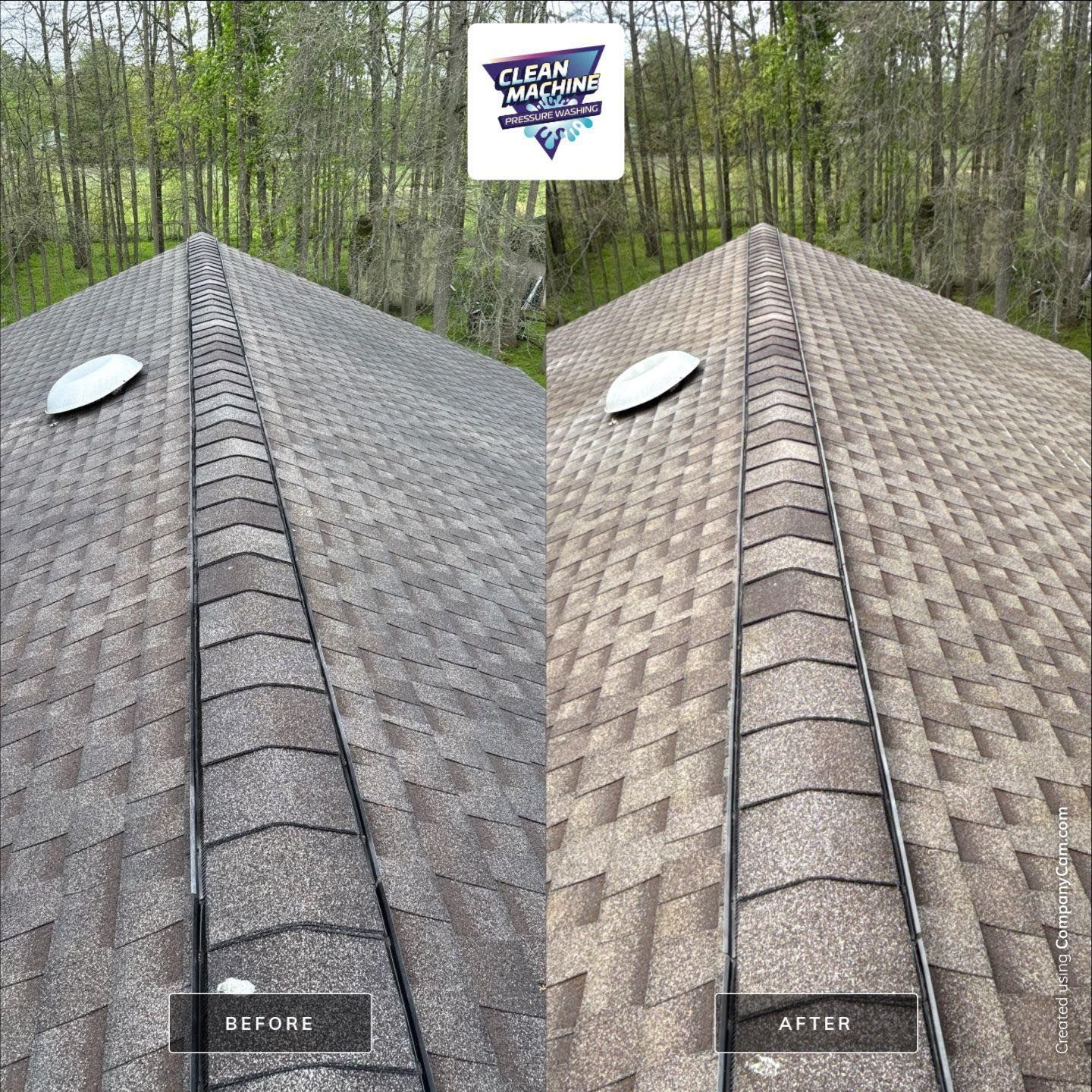
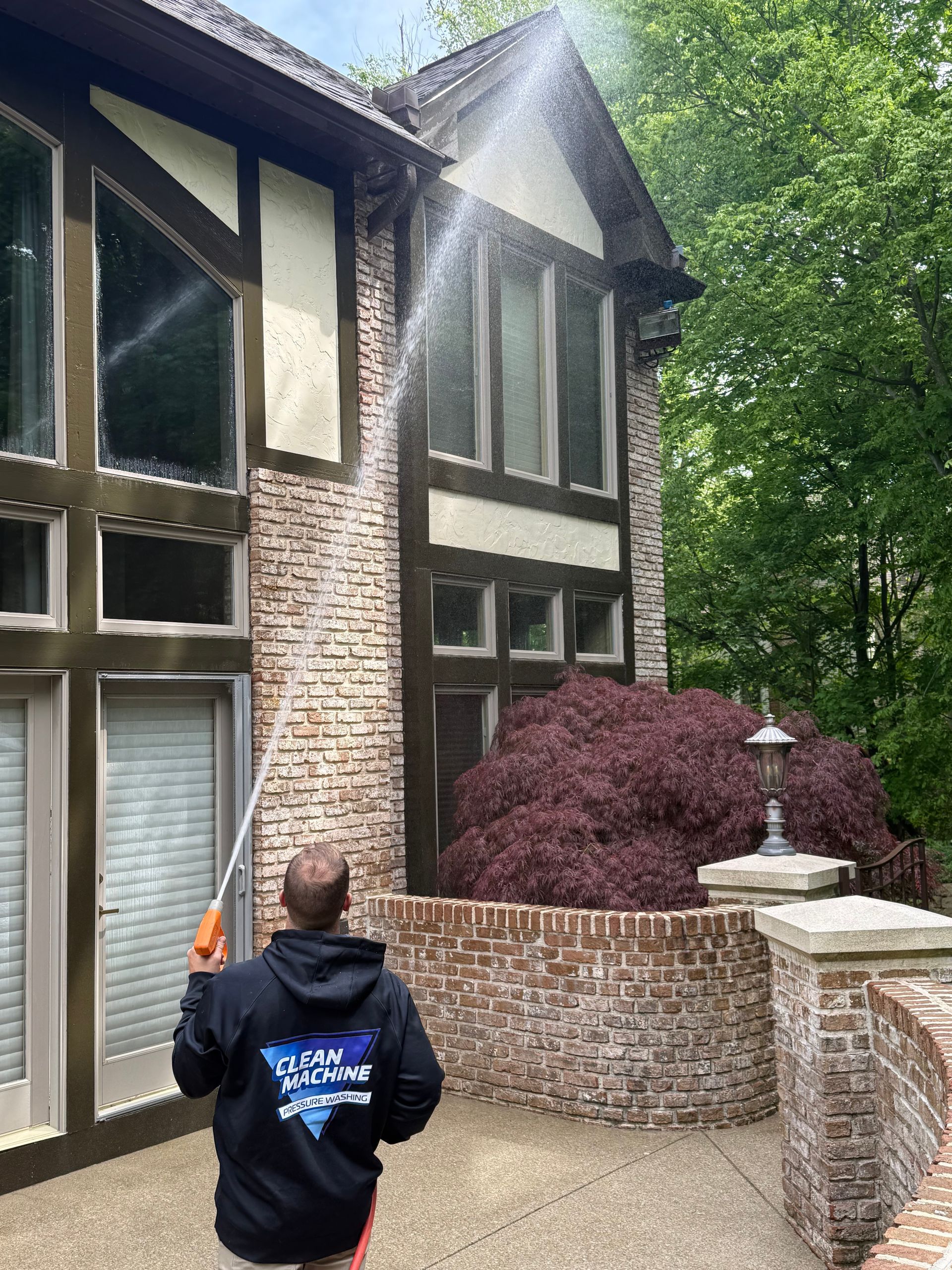
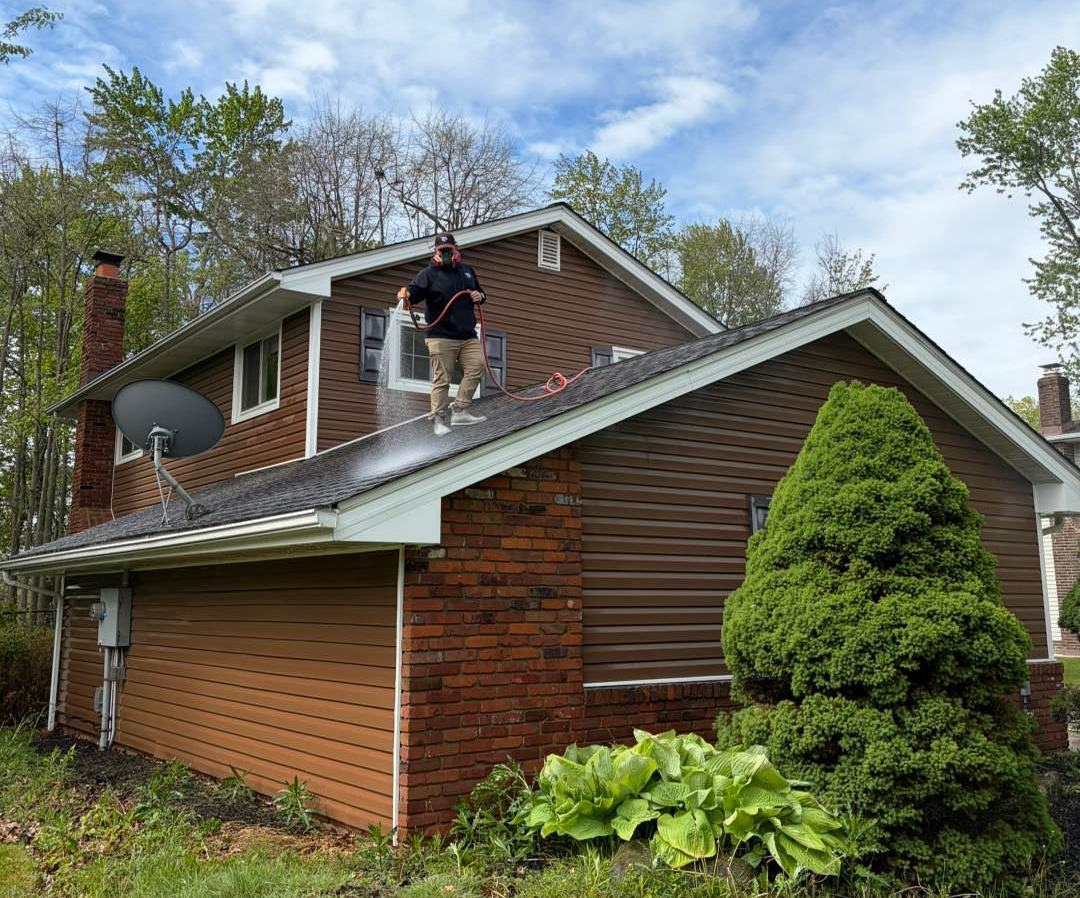
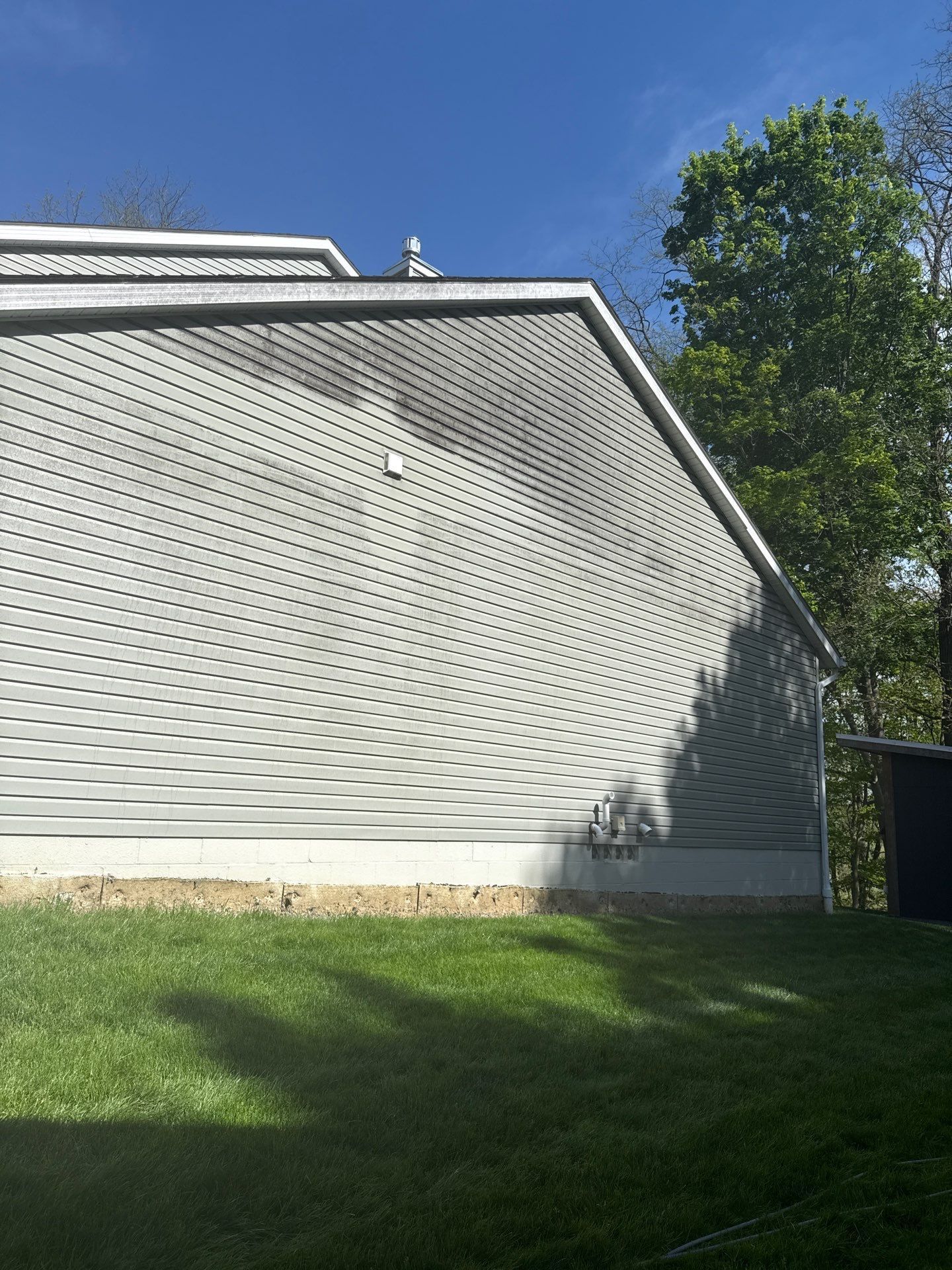
Soft washing uses lower water pressure together with an appropriate cleaning solution to break down organic growth and surface buildup. It is commonly used on siding, painted surfaces, roofs, soffits, trim, and other areas where aggressive pressure can create unnecessary risk.
Because the cleaning solution does more of the work, soft washing can address algae, mildew, and similar buildup without relying on force alone.
Which Exterior Surfaces Are Better for Each Method?
Durable concrete and many hardscape surfaces are commonly cleaned with pressure washing. Vinyl siding, painted siding, roofs, soffits, fascia, and delicate finishes are often better candidates for soft washing. Wood decks and fences require more judgment because condition, coatings, age, and grain all matter.
What Can Go Wrong When Too Much Pressure Is Used?
Using too much pressure can etch concrete, scar wood, strip paint, damage siding, loosen seals, or push water behind exterior materials. Damage is especially easy to cause when a narrow nozzle is held too close to the surface.
How Do You Choose the Right Cleaning Method for Your Home?
Clean Machine Pressure Washing provides residential pressure washing and soft washing services throughout Northeast Ohio and selects the cleaning method based on the surface and the type of buildup. A concrete driveway may need a very different approach than vinyl siding or a roof.
If you are also deciding how often should you pressure wash your house, the timing should be based on shade, moisture, tree cover, and visible buildup rather than a one-size-fits-all rule.
Why the Right Cleaning Method Matters More Than the Equipment
The biggest difference between pressure washing and soft washing is not the machine itself; it is how the cleaning process is matched to the material. A professional may use the same overall equipment setup but change pressure, nozzle choice, cleaning solution, distance, dwell time, and rinsing technique based on the surface.
That matters because two areas on the same property can need completely different treatment. A concrete driveway may benefit from controlled pressure, while nearby vinyl siding, painted trim, or roofing should be handled much more gently. The goal is not to use the strongest possible method. The goal is to remove the buildup while protecting the surface underneath.
For homeowners, that is why asking whether a company offers both pressure washing and soft washing can be more useful than asking how powerful its equipment is. The right method should be selected after the surface, age, condition, staining, landscaping, drainage, and surrounding materials have been evaluated.
Frequently Asked Questions
Is soft washing safe for vinyl siding?
Soft washing is commonly used for vinyl siding because it relies on lower pressure than traditional high-pressure washing. The solution and technique still need to be appropriate for the siding and surrounding landscaping. Windows, trim, electrical fixtures, oxidation, existing damage, and areas where water could be driven behind the siding should all be considered. The goal is to clean the surface thoroughly while using only the amount of pressure the material actually needs.
Does soft washing use chemicals?
Soft washing typically uses a cleaning solution formulated for the type of organic growth and surface being cleaned. A professional should control the mixture, application, dwell time, rinsing, and protection of nearby materials. Landscaping, painted surfaces, metals, windows, fixtures, and runoff areas should be considered before application. The goal is controlled treatment, not simply using the strongest mixture available.
Is pressure washing better for concrete?
Pressure washing is often appropriate for durable concrete, but the right pressure and technique depend on the concrete’s condition. Cracked, spalling, painted, or compromised concrete may require a modified approach. Cleaning solutions, surface cleaners, rinsing technique, and stain pretreatment can also affect the result, so pressure alone is not what makes concrete cleaning effective.